
- Your cart is empty
- Continue Shopping


Product
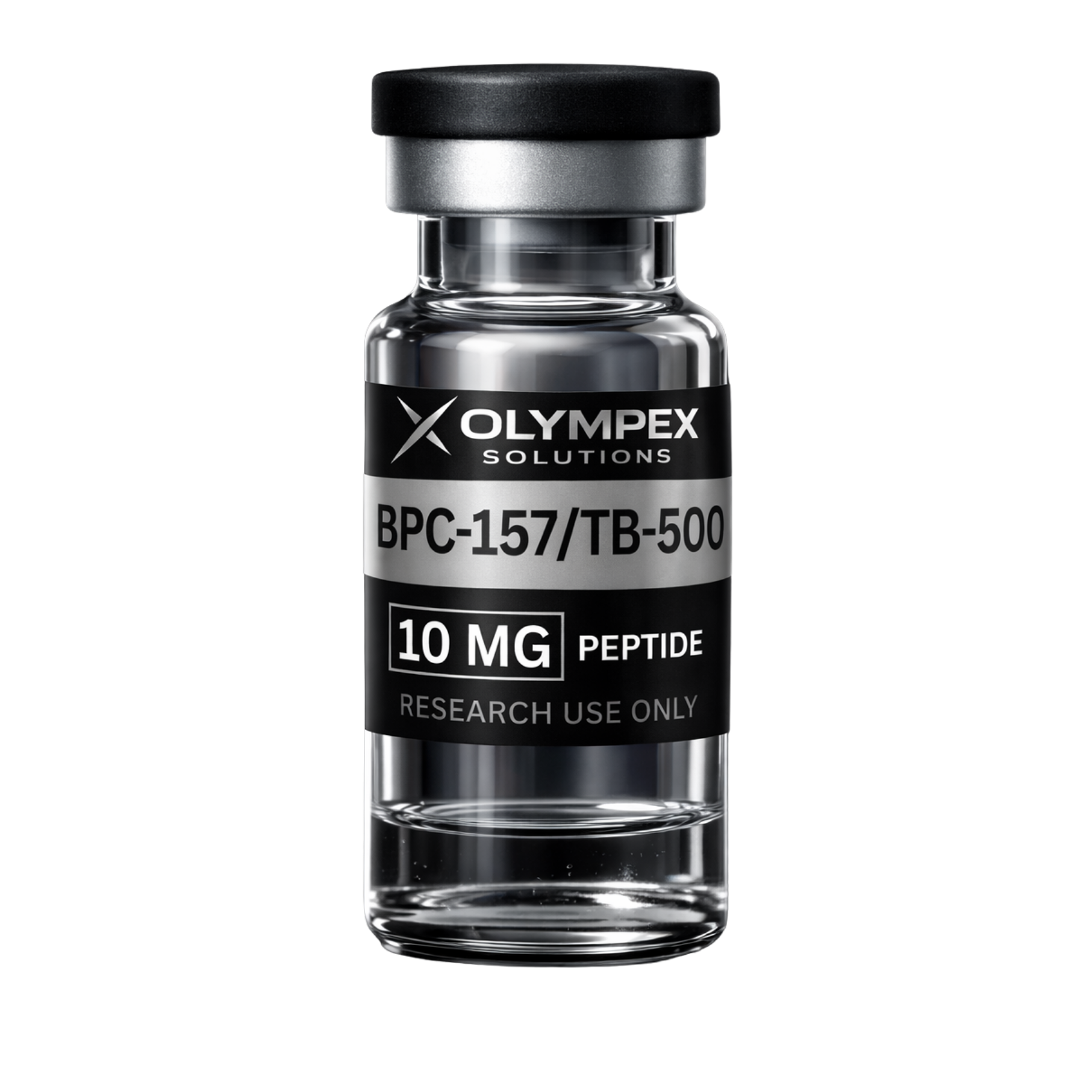
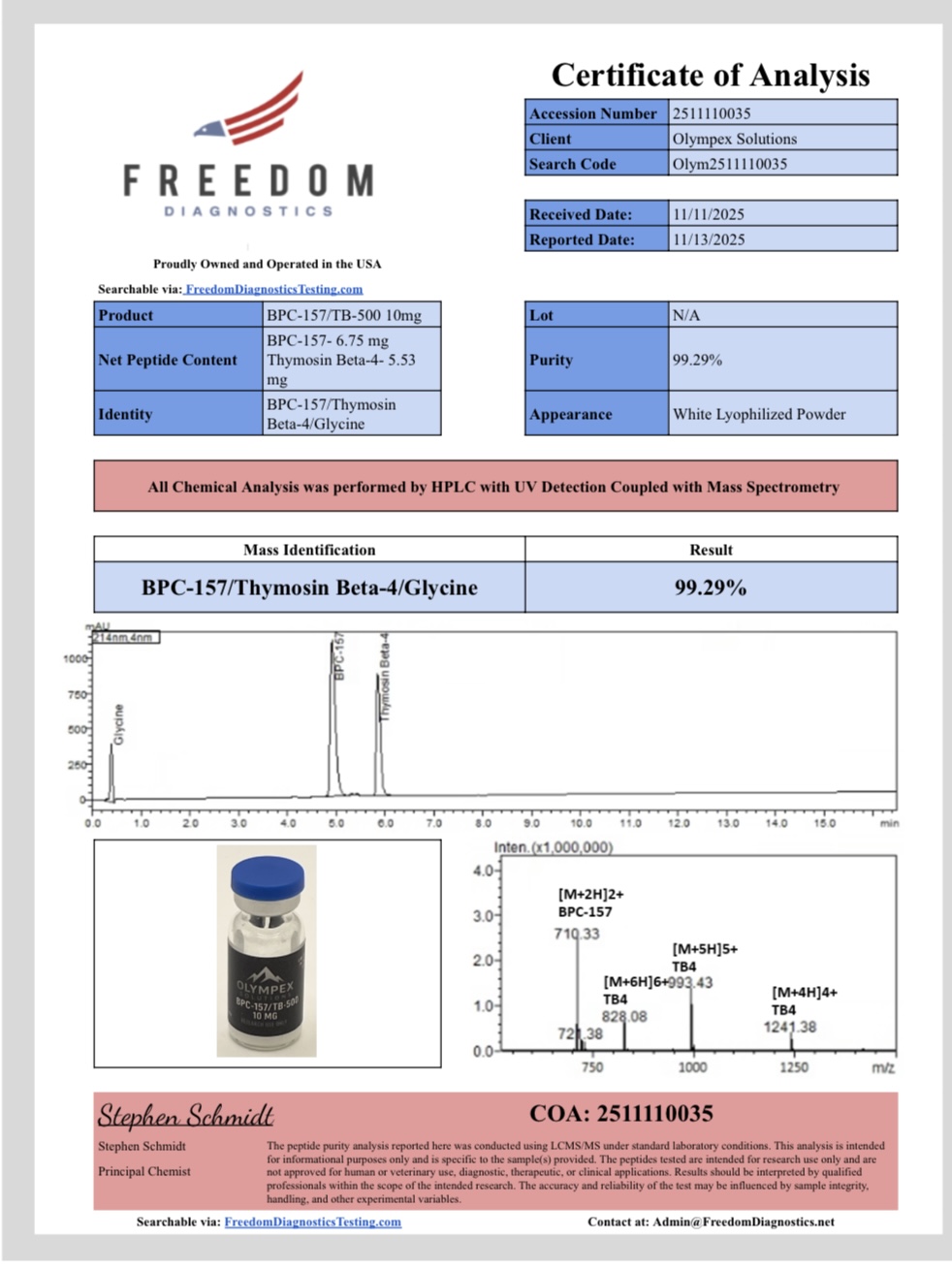
BPC-157 / TB-500
BPC 5MG / TB 5MG, BPC 10MG / TB 10MG
Choose an option / Choose an option
Add to cart
Buy Now
BPC-157 / TB-500
BPC-157 and TB-500 peptides are widely discussed bioactive compounds known for their roles in recovery, repair, and overall physical resilience. Both peptides are popular within research, wellness, and athletic communities due to their unique biological properties and complementary effects.
BPC-157 (Body Protection Compound-157) is a synthetic peptide derived from a naturally occurring protein found in gastric juice. It is primarily recognized for its stability and protective functions within the body. BPC-157 has been studied for its interaction with connective tissues, muscles, tendons, ligaments, and the digestive system. Researchers are particularly interested in its ability to support tissue integrity, cellular signaling, and balanced inflammatory responses. Because of these characteristics, it is often associated with recovery-focused research and general physical maintenance.
TB-500 (Thymosin Beta-4 fragment) is a synthetic version of a naturally occurring peptide involved in cell migration and tissue organization. It plays a role in supporting cellular movement, flexibility, and structural repair processes. TB-500 is often associated with muscle tissue research, mobility support, and recovery dynamics. Its ability to interact with actin, a protein essential for cell structure and movement, has made it a key focus in regenerative and performance-related studies.
Unlike peptides that act on a single targeted area, TB-500 is known for its systemic activity, meaning it can influence multiple tissues throughout the body. This property has led researchers to explore its role in flexibility, endurance, and overall tissue responsiveness. TB-500 is also commonly discussed in relation to circulation support and balanced recovery processes.
When considered together, BPC-157 and TB-500 are often described as complementary peptides. BPC-157 is typically associated with localized tissue protection and stability, while TB-500 is linked to broader cellular mobility and systemic recovery. This pairing has made them a popular topic in research settings focused on physical optimization and recovery synergy.
Overall, BPC-157 and TB-500 peptides represent a growing area of interest in peptide research, valued for their distinct yet complementary biological roles. Their popularity reflects a broader curiosity about how peptides interact with the body’s natural systems to support balance, recovery, and performance at a cellular level.
Additional Information
| BPC 5MG / TB 5MG | 10MG 10VIALS |
|---|---|
| BPC 10MG / TB 10MG | 10MG 10VILS |
Related products
RETATRUTIDE PEPTIDES
Price range: $90.00 through $330.00
Select options
This product has multiple variants. The options may be chosen on the product page
TESAMORELIN
Price range: $49.99 through $89.99
Select options
This product has multiple variants. The options may be chosen on the product page
-25%

KLOW
$120.00Current price is: $120.00. Original price was: $159.99.